
Corporate events can do a lot more than fill a calendar. The right event can sharpen your brand, bring teams together, impress clients, launch something important, and give people a reason to remember your company long after the day ends. In 2026, the best business gatherings are not just well-organized. They are intentional, on-brand, and designed around a clear business goal.
Corporate events are business-related gatherings created to achieve a specific goal, such as team building, client engagement, training, networking, recognition, or product launches. Successful corporate events start with a clear objective, a realistic budget, a detailed timeline, and an experience plan that makes the event feel purposeful instead of generic.
If you are planning your first business gathering or trying to make your next one more memorable, this guide walks through what these events are, the main types, how to plan them, and which ideas are working right now.
What are corporate events and why do they matter?
Corporate events are events organized by a company for employees, clients, partners, prospects, investors, or the public. Some are internal, like staff retreats and training days. Others are external, like product launches, conferences, appreciation dinners, or investor events.
What separates corporate events from other events is purpose. A wedding is personal. A birthday party is social. Corporate events are tied to a business outcome. That outcome might be stronger culture, better client relationships, new leads, more media attention, smoother onboarding, or clearer communication inside the company.
That is also why these events are worth doing well. A rushed event can make a brand feel disorganized. A thoughtful one can make the same brand feel polished and credible. Recent 2026 event coverage points to the same shift: companies are under more budget scrutiny, but face-to-face events are still expected to deliver measurable value.
For planners, that is actually helpful. It forces better questions up front. Why are you hosting this event? Who needs to be there? What should they think, feel, or do afterward? The clearer those answers are, the easier the rest of the planning becomes.
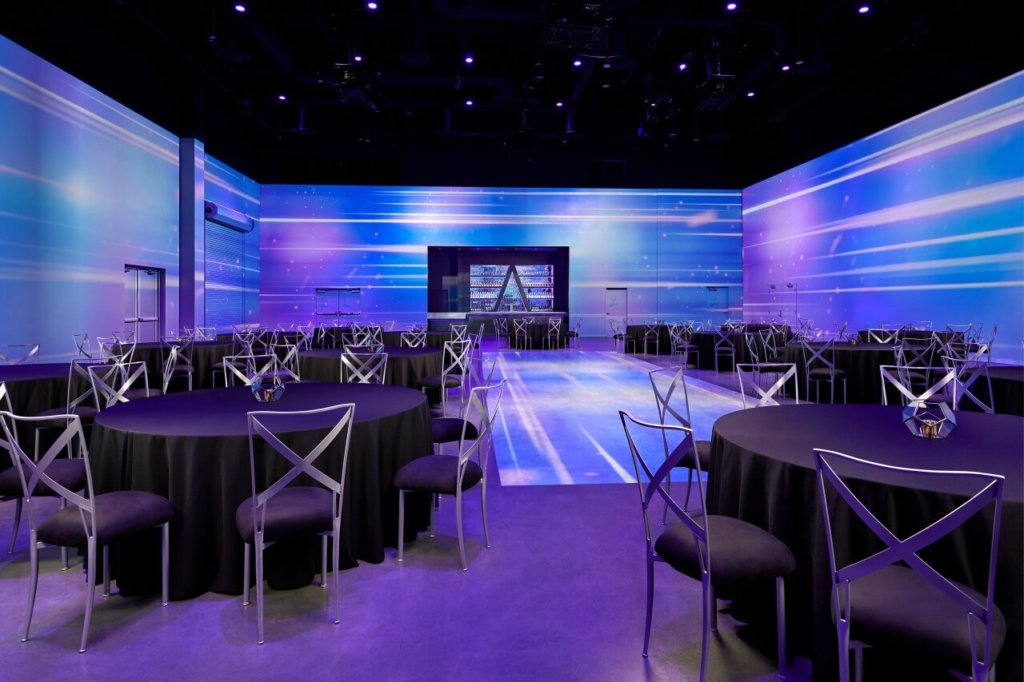
Types of corporate events
There are many event formats in this space, but most fall into a few practical categories.
Internal corporate events
These are designed for employees, leadership teams, or company stakeholders. Common examples include:
- company offsites
- all-hands meetings
- training sessions
- leadership retreats
- employee appreciation events
- holiday parties
- team-building days
Internal events usually focus on alignment, morale, culture, communication, or professional development. A leadership retreat should feel different from a recognition dinner, and a training workshop should not be planned like a social mixer.
External corporate events
These are aimed at people outside the company, such as customers, partners, media, investors, or prospects. Examples include:
- product launches
- networking receptions
- trade show events
- client appreciation dinners
- press events
- investor briefings
- sponsorship activations
External programs carry more brand pressure because they shape how people see the business. That means venue, messaging, guest flow, signage, and production quality matter more than many teams expect.
Hybrid and virtual-supported events
Hybrid events are still part of the 2026 conversation, but expectations are higher now. Attendees want a real experience whether they are in the room or joining remotely, which means better audio, a tighter run of show, and more readable content on screen.
Corporate events by business goal
Sometimes the easiest way to decide on a format is to start with the result you want:
- Build culture: retreat, awards dinner, or employee celebration
- Educate teams: workshop, seminar, or training event
- Generate leads: trade show activation, conference, or showcase
- Strengthen relationships: VIP dinner, golf outing, or networking event
- Launch something new: product reveal, media event, or customer experience
If you are stuck between formats, match the event style to the action you want attendees to take afterward.
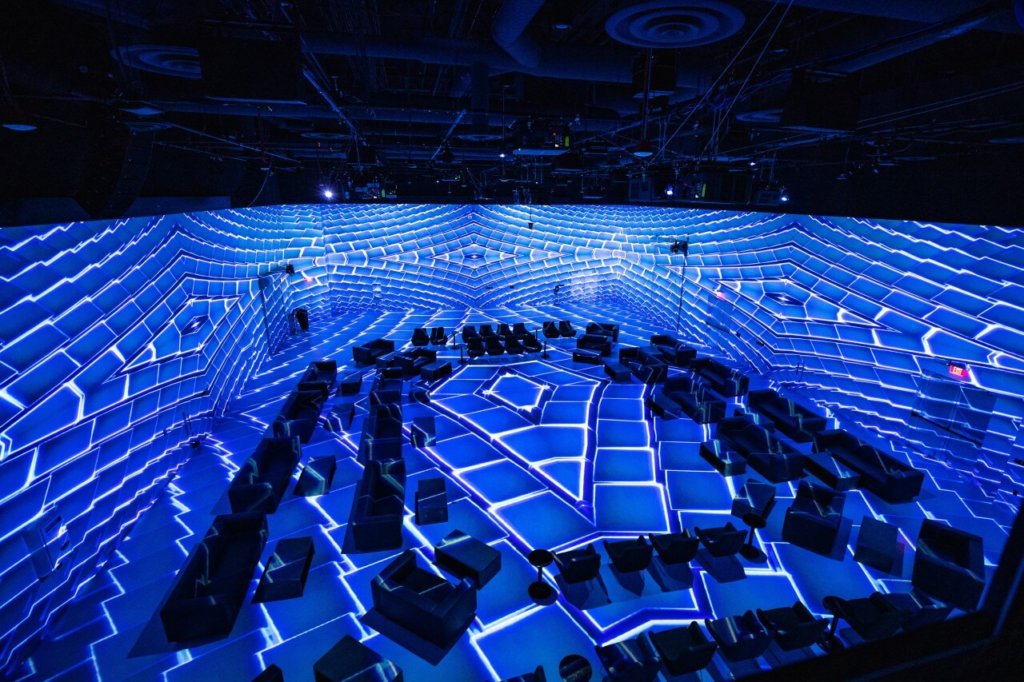
How to plan corporate events step by step
Corporate event planning feels overwhelming when everything seems urgent at once. The easiest fix is to move in order. If someone asks how to plan a corporate event, this sequence is the cleanest answer.
1. Start with the goal
Before you compare venues or ask for catering menus, define what success looks like. A clear goal shapes everything from guest list size to room layout.
Write the goal in one sentence. If the sentence sounds vague, the event probably will too.
2. Build the budget early
A corporate event budget should cover more than the obvious line items. Venue, food, decor, and entertainment matter, but so do labor, AV, signage, transportation, printing, registration tools, permits, service fees, and contingency costs.
In 2026, budget pressure is showing up across the event industry, so realistic planning matters even more. It is smarter to prioritize the guest experience and the moments tied directly to your goal than to spread money thinly across every extra.
A practical rule is to split spending into three buckets:
- essentials that make the event functional
- experience elements that make it memorable
- backup funds for last-minute changes
That third bucket saves more stress than people expect.
3. Choose the right format and venue
The venue should support the event, not compete with it. A strategy workshop needs focus, comfort, and clean logistics. A gala needs atmosphere. A networking event needs flow and conversation space. A product launch needs reveal moments, sightlines, and good production.
This is where local expertise becomes valuable. Brands planning major gatherings in destinations like Las Vegas often need more than a pretty room. They need hotel coordination, vendor timing, guest movement, and a format that makes the most of the city without making the schedule chaotic. Choosing the right corporate event venue can change the entire guest experience.
4. Create the timeline
Your corporate event timeline should work backward from the event date. Large conferences, galas, and multi-day programs often need six to twelve months, which lines up with current planning guidance and similar 2026 checklists. Smaller internal events may need less time, but almost every event benefits from an early start.
Map major milestones such as:
- goal approval
- budget sign-off
- venue booking
- vendor selection
- creative concept approval
- registration or invitations
- final headcount
- rehearsal and load-in
When deadlines live only in someone’s head, problems show up late.
5. Align vendors, staffing, and production
Even relatively simple event programs involve more moving parts than most teams expect. Catering, rentals, AV, registration, signage, transportation, and venue contacts all need to work from the same information.
That is why experienced planners rely on one master schedule, one version of the floor plan, and one point person for each area.
Staffing matters just as much. Corporate event staffing covers registration, guest direction, speaker support, and on-site problem solving, all of which affect the attendee experience. If guests feel confused in the first ten minutes, the event starts in a hole.
6. Plan the experience, not just the logistics
This is the step many average corporate events miss. Logistics keep the day running. Experience is what makes it feel meaningful.
Think through the full guest journey:
- what they see first when they arrive
- how easy check-in feels
- whether the space reflects the brand
- where conversation happens naturally
- what moment feels worth photographing or sharing
- what they remember on the way home
Strong branding, readable signage, smart lighting, and a balanced agenda can elevate an event without making it feel overproduced. A clear corporate event theme and consistent corporate event branding help the whole experience feel more intentional. Centric’s 2026 trend guide makes a similar point: design is now judged as part of overall event quality, not as an optional extra.
7. Build a contingency plan
Every event needs a backup plan. If the keynote is late, the weather changes, a screen fails, or catering stalls, the team should already know what happens next. A written corporate event contingency plan is one of the simplest ways to protect the guest experience.
A good contingency plan does not need to be dramatic. It just needs to be documented, shared, and realistic.

Corporate event ideas that work in 2026
The best corporate event ideas are not random. They fit the audience and the outcome.
Team building ideas
For employee-focused programs, especially corporate events for team building, try formats that create actual interaction instead of forced fun. Think chef-led challenges, collaborative workshops, city-based scavenger experiences, or wellness mornings.
Client and partner ideas
For relationship-driven events, smaller often works better than louder. Private dinners, executive roundtables, curated hospitality lounges, and invitation-only previews can feel more valuable than a large generic mixer.
Leadership and culture ideas
Leadership gatherings work well when they combine strategy with atmosphere. A retreat with facilitated sessions, a recognition dinner with a strong story arc, or an annual kickoff with thoughtful production can all land well when the agenda has energy and breathing room.
Las Vegas-ready ideas
For brands working with Event Solutions or planning in Las Vegas, there is room to be bolder without losing professionalism. Good examples include a sleek rooftop welcome party, a branded offsite at a distinctive local venue, or an awards evening with strong lighting and staging. If you need corporate event entertainment ideas, start with experiences that support conversation and brand tone instead of distracting from them.
The useful question is not “what is the most impressive idea?” It is “which idea best supports the business goal and guest mix?”
What makes corporate events successful in 2026
Successful business events in 2026 tend to share the same traits. They have a clear purpose. They respect attendees’ time. They feel designed rather than improvised. They create a few memorable moments instead of trying to do everything. They also make it easy for the host company to point to outcomes.
This is also where corporate event ROI becomes more than a buzzword. If the event goal is clear from the start, measurement becomes simpler at the end. You can look at attendance quality, survey feedback, social content captured, sponsor results, post-event meetings, or team sentiment depending on the format.
That is the real shift in modern event strategy. Great execution still matters, but purpose matters first.
Frequently Asked Questions
What is a corporate event?
A corporate event is a business-related gathering organized for employees, clients, partners, media, investors, or prospects. Corporate events are usually planned to achieve a clear goal such as team building, training, networking, recognition, or brand promotion.
How do you plan a corporate event?
Start corporate event planning with the goal, budget, audience, and event format. From there, choose the venue, build the timeline, confirm vendors, shape the guest experience, and prepare contingency plans before event day.
What are some common corporate event examples?
Common corporate event examples include conferences, trade show activations, product launches, employee appreciation events, leadership retreats, training sessions, networking receptions, and client dinners. The best format depends on what the company wants the event to accomplish.
How far in advance should you plan corporate events?
Many corporate events need at least a few months of lead time, and larger programs often need six to twelve months. The more guests, vendors, production, travel, or moving parts involved, the earlier planning should begin.
Do you need a checklist for corporate events?
Yes, a simple corporate event checklist helps teams track approvals, vendors, guest communication, production needs, and final confirmations. Even experienced planners use a checklist because it reduces last-minute mistakes.
Are hybrid corporate events still worth planning in 2026?
Yes, hybrid corporate events still make sense when part of the audience cannot attend in person or when the company wants extra reach. They work best when the remote audience is treated as part of the event instead of an afterthought.
Key Takeaways
- Corporate events work best when they are tied to one clear business goal.
- The main types of corporate events include internal, external, and hybrid formats.
- Strong corporate event planning starts with budget, timeline, and audience clarity before creative details.
- The most effective corporate event ideas fit the guest list and the result you want, not just the trend of the moment.
- In 2026, the most successful corporate events feel purposeful, branded, and easy for attendees to navigate.